
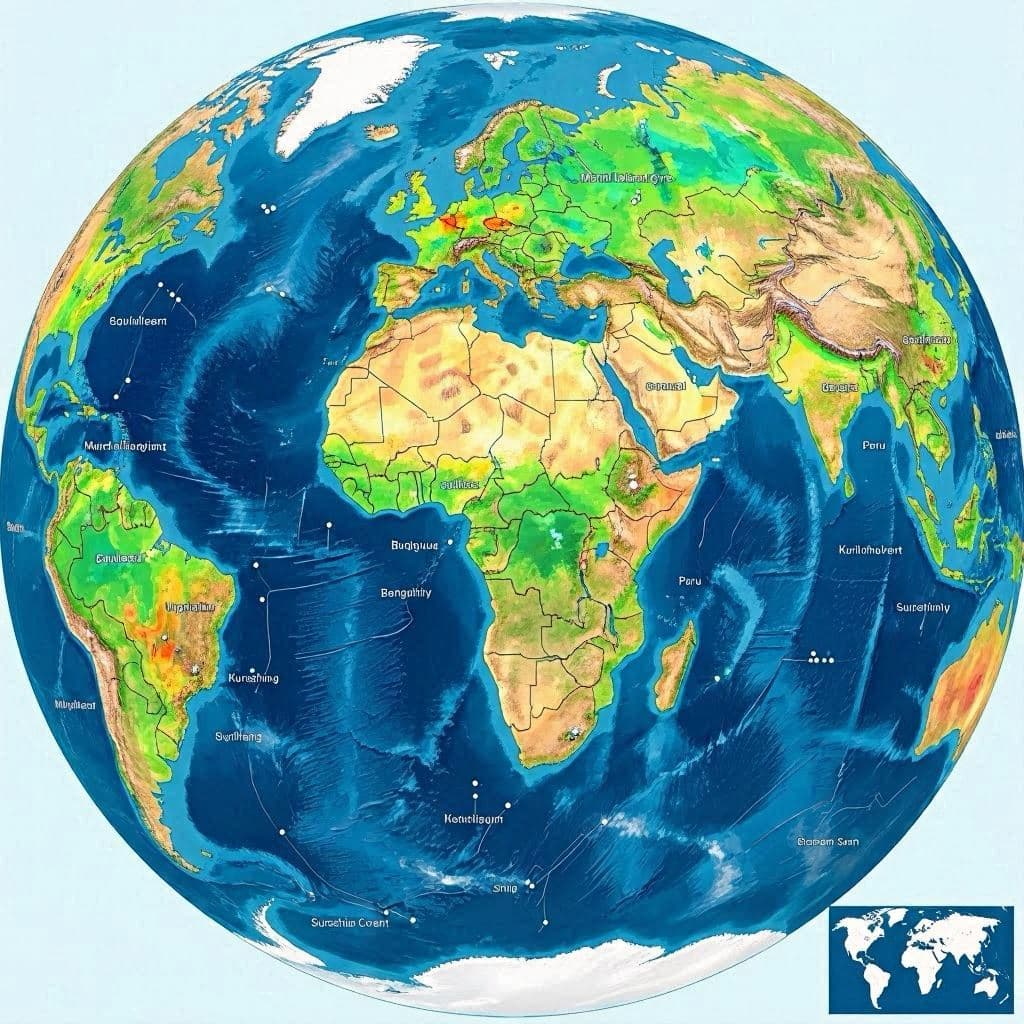
The oceans have long been viewed as Earth's great stabilizers, vast and enduring bodies that quietly regulate climate and sustain countless forms of life. Yet even these immense waters are not immune to change, and recent scientific observations suggest that subtle shifts may already be unfolding beneath their surface.
NASA scientists, using satellite-based observations, have identified widespread signs of nutrient stress across large portions of the world's oceans. Researchers say these findings may indicate significant changes in marine ecosystems linked to warming ocean conditions.
Marine nutrients such as nitrogen, phosphorus, and iron are essential for phytoplankton, microscopic organisms that form the foundation of ocean food webs. These tiny organisms also play a vital role in absorbing carbon dioxide from the atmosphere and producing oxygen.
According to researchers, satellite measurements have detected changes in ocean color that can reveal shifts in phytoplankton populations and nutrient availability. Variations in these indicators may signal that some marine regions are experiencing reduced biological productivity.
Scientists emphasize that ocean ecosystems are naturally dynamic, with nutrient levels fluctuating seasonally and geographically. However, long-term warming trends may be influencing ocean circulation patterns, potentially affecting how nutrients are distributed throughout marine environments.
A reduction in nutrient availability could have consequences extending beyond microscopic life. Fish populations, marine biodiversity, and coastal economies that depend on healthy oceans may all be affected if ecosystem changes become more pronounced.
NASA researchers stress that continued monitoring will be crucial for understanding the full implications of these observations. Satellite technology offers scientists an increasingly comprehensive view of ocean health on a global scale.
The findings also highlight the importance of integrating satellite observations with field measurements collected by research vessels and autonomous ocean instruments. Combining multiple sources of data allows for more accurate assessments of marine conditions.
As scientists continue studying Earth's oceans, the latest observations serve as a reminder that even gradual environmental changes can carry broad implications for ecosystems, economies, and the climate system itself.
AI Image Disclaimer: The visual materials accompanying this article include AI-generated illustrations created to support scientific communication.
Source Verification Check: NASA, Phys.org, Reuters, NOAA, Nature Climate Change
Note: This article was published on BanxChange.com and is powered by the BXE Token on the XRP Ledger. For the latest articles and news, please visit BanxChange.com