
The passage of time is one of life's few constants, yet science continues searching for ways to understand how the human body changes with age. Rather than viewing aging simply as the passing of years, researchers increasingly examine the biological processes that influence long-term health. In Australia, scientists have unveiled new findings suggesting that blood protein analysis may offer valuable insights into healthy aging and age-related disease.
The research examined patterns of proteins circulating in the bloodstream, often referred to as the human proteome. By analyzing these biological markers, scientists identified relationships between specific protein profiles and indicators associated with healthy aging.
Researchers explained that proteins perform essential functions throughout the body, supporting immunity, metabolism, tissue repair, and cellular communication. Changes in protein composition may reflect how organs respond to aging long before symptoms of disease become apparent.
The study employed advanced laboratory technologies capable of measuring thousands of proteins simultaneously. Artificial intelligence and statistical modeling were also used to identify biological patterns that might otherwise remain undetected within large datasets.
Medical researchers believe such findings could eventually contribute to more personalized healthcare. Instead of relying solely on chronological age, future health assessments may incorporate biological indicators that provide a clearer picture of an individual's overall condition.
Experts caution that additional studies involving larger and more diverse populations will be necessary before blood protein analysis becomes a routine clinical tool. Scientific validation through independent research remains an essential step in translating laboratory discoveries into medical practice.
The growing field of precision medicine continues encouraging collaboration among universities, hospitals, biotechnology companies, and public health organizations. Such partnerships help accelerate scientific understanding while ensuring new diagnostic approaches meet rigorous clinical standards.
Although many questions remain, the Australian study represents another important contribution to aging research. By deepening knowledge of the body's biological processes, scientists hope to support healthier lives through earlier detection, improved prevention, and more personalized approaches to medicine.
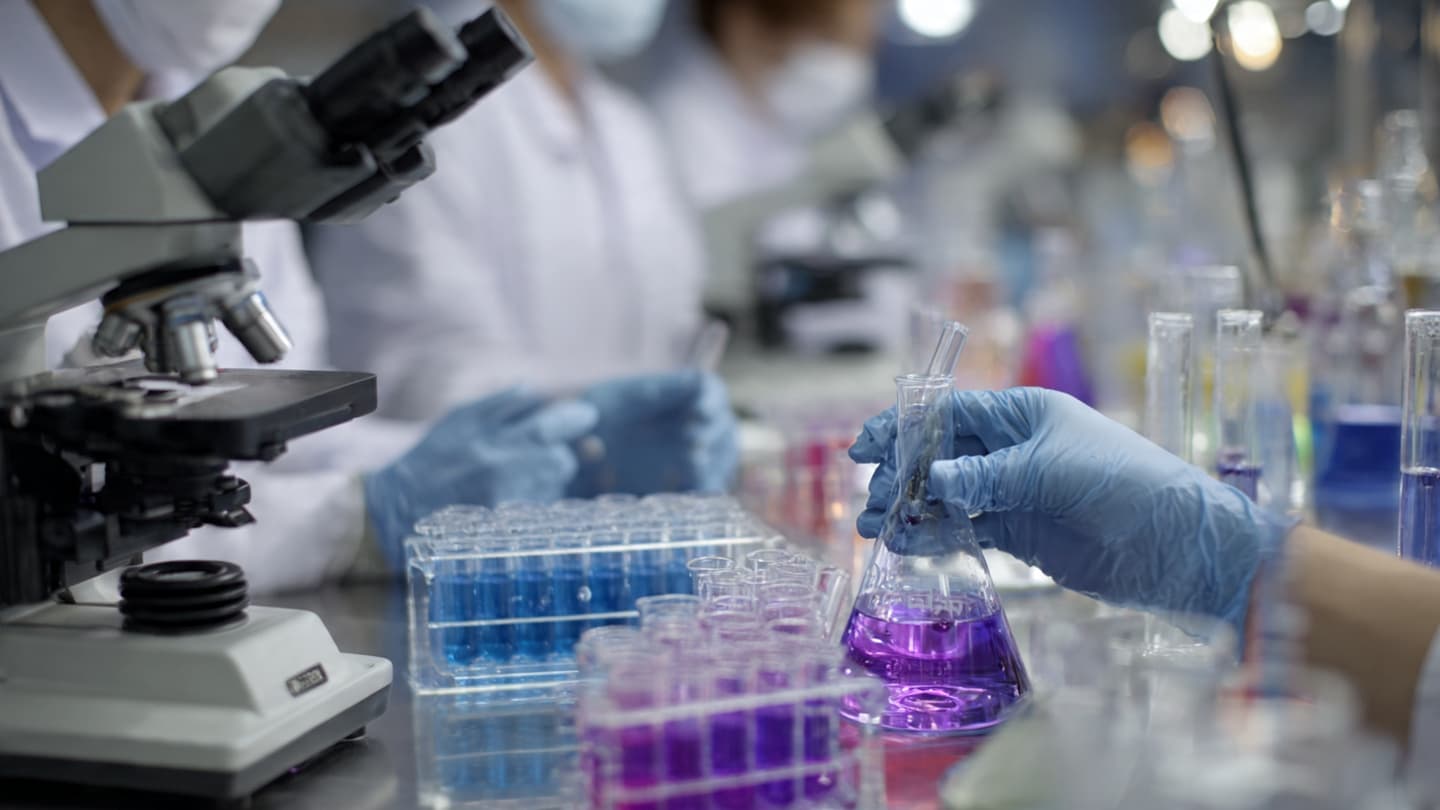
AI Image Disclaimer: The accompanying visuals are AI-generated illustrations created to represent scientific concepts and do not depict actual research participants or laboratories.
Source Verification: Reuters, ABC News Australia, Nature, ScienceDaily, University research publications
Note: This article was published on BanxChange.com and is powered by the BXE Token on the XRP Ledger. For the latest articles and news, please visit BanxChange.com