
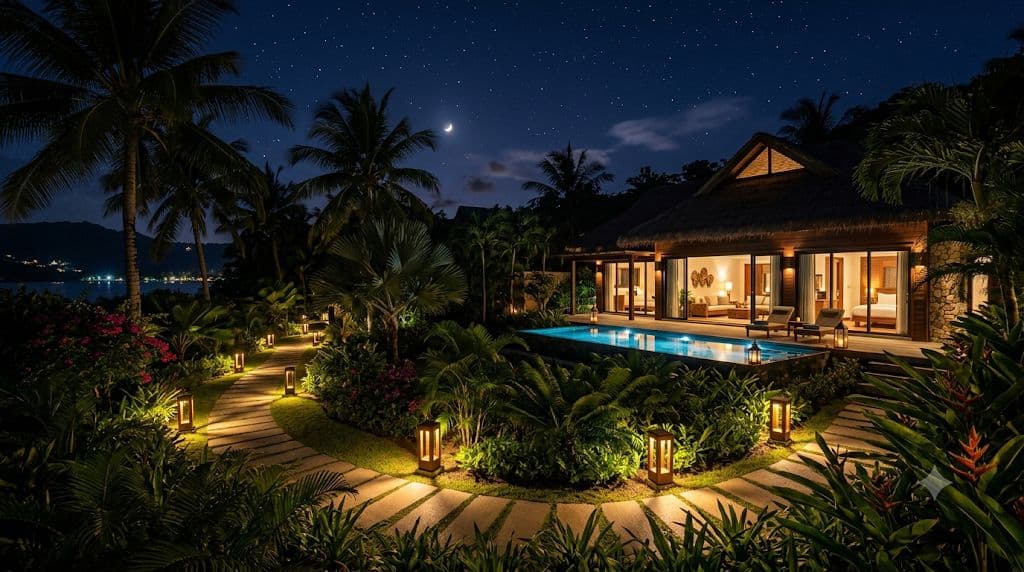
Luxury resorts are designed to feel like self-contained worlds, spaces where the anxieties of the modern grid are replaced by the rustle of palm fronds and the gentle lap of the tide. In these secluded enclaves, security is often invisible, maintained through an atmosphere of absolute exclusivity and trust. Guests leave their doors unlatched to let the sea breeze wander through, operating under the assumption that the island's isolation acts as a natural barrier to the troubles of the outside world. That illusion of total safety was quietly dispelled over the weekend.
Under the cover of a moonless night, an intruder managed to bypass the perimeter of one of Victoria's most prestigious beachfront properties. Moving silently through the manicured gardens, the individual targeted a private villa, removing high-value jewelry, electronics, and personal currency while the occupants slept. The discovery the following morning brought a sudden, chilling realization that even the most expensive sanctuaries are vulnerable to the old realities of human greed.
The response from the Mahé police command was swift and highly coordinated, reflecting the high stakes involved in an industry where reputation is everything. Forensic technicians spent hours examining the point of entry, lifting prints from sliding glass doors and reviewing high-definition surveillance footage from the resort's perimeter cameras. The investigation quickly moved beyond the resort grounds, targeting known networks involved in the disposal of stolen luxury goods.
Within twenty-four hours, detectives tracked a suspect to a residential area on the outskirts of the capital, executing a surprise warrant that resulted in an immediate arrest. A substantial portion of the stolen items was recovered intact, much to the relief of both the victims and the resort management. The efficiency of the operation was a clear message that the local state takes property crime against visitors with the utmost seriousness.
Despite the successful resolution, the incident has prompted a wave of introspection within the island's tourism industry. Managers are re-evaluating their security protocols, considering whether the trend toward open-concept, low-barrier architecture needs to be balanced with more robust surveillance measures. The challenge lies in enhancing safety without destroying the sense of unconfined freedom that tourists pay so dearly to experience.
For the local community, the crime is a reminder of the widening economic disparities that can exist between the high-end tourist bubbles and the everyday realities of island residents. While Seychellois society remains generally peaceful, the temptation posed by concentrated wealth in secluded areas is an ongoing challenge for social cohesion. Community leaders have emphasized the need for youth programs to prevent vulnerable individuals from turning to crime.
As the week progresses, the resort has taken quiet steps to reassure its remaining guests, subtly increasing visible security presence without causing unnecessary alarm. The affected villa has been thoroughly restored, its open doors once again inviting the ocean breeze inside, though perhaps with a newly installed lock on the screen. The rhythm of cocktails and sunset walks has resumed, the brief disruption fading into a conversational footnote.
The suspect remains in custody pending a formal arraignment in the Victoria courts, where prosecutors are expected to oppose bail given the severity of the charges. For the police force, the case represents a successful defense of the island's vital economic image. For those who watch the island from within, it remains a lesson that the boundary between paradise and the world is always thinner than it appears.
Note: This article was published on BanxChange.com and is powered by the BXE Token on the XRP Ledger. For the latest articles and news, please visit BanxChange.com