
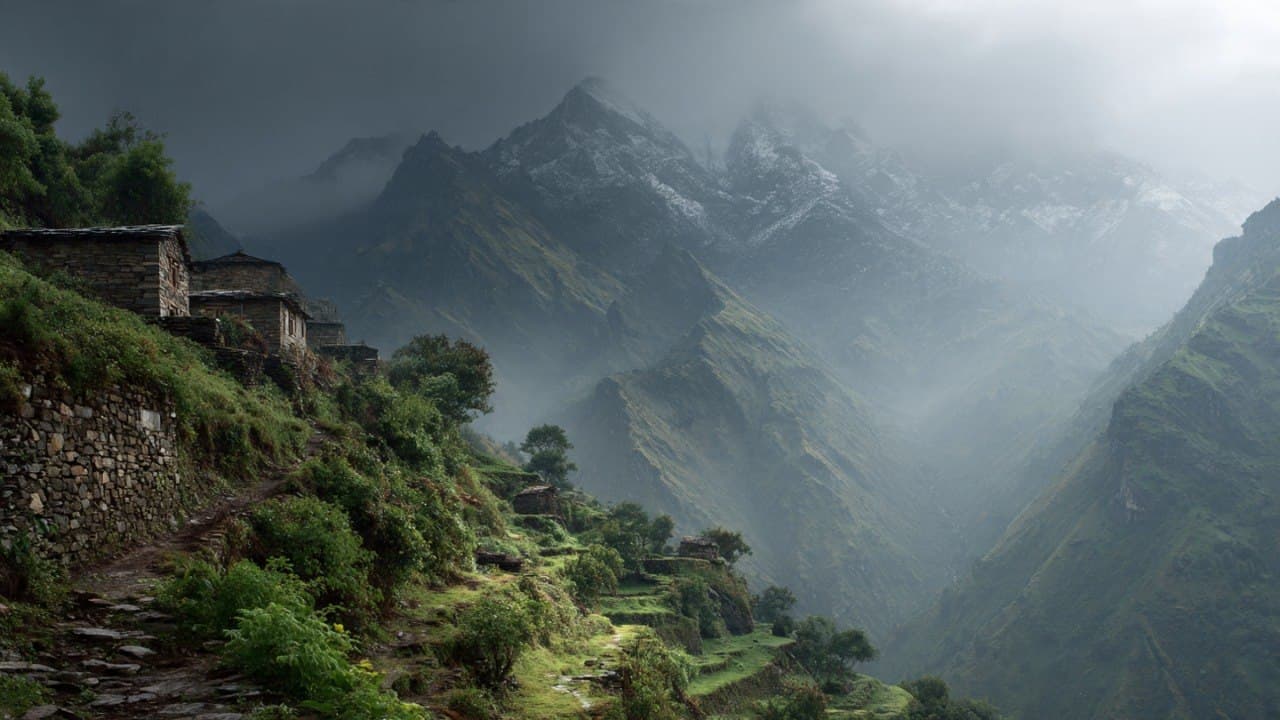
The western highlands of Kenya rise with a majestic, green intensity from the floor of the Great Rift Valley, a landscape of rolling tea plantations and deep volcanic soils that have nurtured generations of farmers. Here, the rain is usually a welcomed visitor, a soft morning mist that feeds the rich red earth and keeps the landscape in a state of fertility. Yet there are cycles when the moisture becomes too heavy for the mountain slopes to bear, turning the life-giving soil into a fluid, unpredictable element.
To watch the rain descend over the highlands in recent days is to witness the landscape lose its structural permanence. The air is thick and heavy, smelling of crushed vegetation, damp cedar wood, and the deep, iron-rich scent of the saturated earth. Every small stream has become a conduit for the surplus of the sky, carrying the evidence of the saturated highlands down toward the lower basins.
The atmosphere across the western counties has become one of quiet, anxious observation as the local rivers outgrow their traditional channels. In the lowlands where the waters gather, the small iron-roofed homes are gradually surrounded by a shallow, brown lake that moves with a slow, silent velocity through the maize fields. There is no urgency in the water’s approach, but it possesses an inevitability that demands a shift in the human rhythm.
In the higher villages that cling to the steep ridges, the danger shifts from the rising water to the ground beneath the feet. The deep red clay, soaked to its absolute physical limit, begins to form subtle fissures, a sign that the hillside is losing its hold on the underlying stone. Residents look out from their doorways into the misty dark, listening to the deep, rumbling sounds of the earth shifting in the valleys below.
There is a profound, communal resilience that emerges in these moments of elemental trial, as neighbors gather to help move livestock and family possessions to the safety of the ridge tops. The movement is orderly and quiet, carried out under the steady roar of the rain against the forest canopy. It is a shared labor, reflecting an ancient understanding of the land’s capacity for sudden, radical change.
As the afternoon light fades into a deep, monochromatic blue, the local rivers grow louder, their voices filled with the debris of the upstream forests. Whole trees and fragments of forgotten fences drift past the bridges, carried toward the great expanse of Lake Victoria by a current that seems to have no end.
Emergency services have established temporary shelters in schools and churches on the higher ground, their kerosene lamps casting soft, orange glows against the dark windowpanes. They stand as quiet witnesses to a changing season, coordinating rescues in areas where the dirt roads have been transformed into impassable channels of mud.
The coming days will require a long, patient effort to rebuild what the water has washed away, as communities wait for the sky to clear and the soil to dry. Until then, the highlands remain wrapped in a dense, white fog, their presence marked only by the cold wind that blows off the peaks.
The Standard reported that several river systems in western Kenya have breached their banks, displacing families across multiple districts. The National Civil Defense has initiated emergency evacuations in high-risk zones, warning that continued precipitation will likely exacerbate landslide risks along the steep slopes of the highland escarpments.
Note: This article was published on BanxChange.com and is powered by the BXE Token on the XRP Ledger. For the latest articles and news, please visit BanxChange.com