
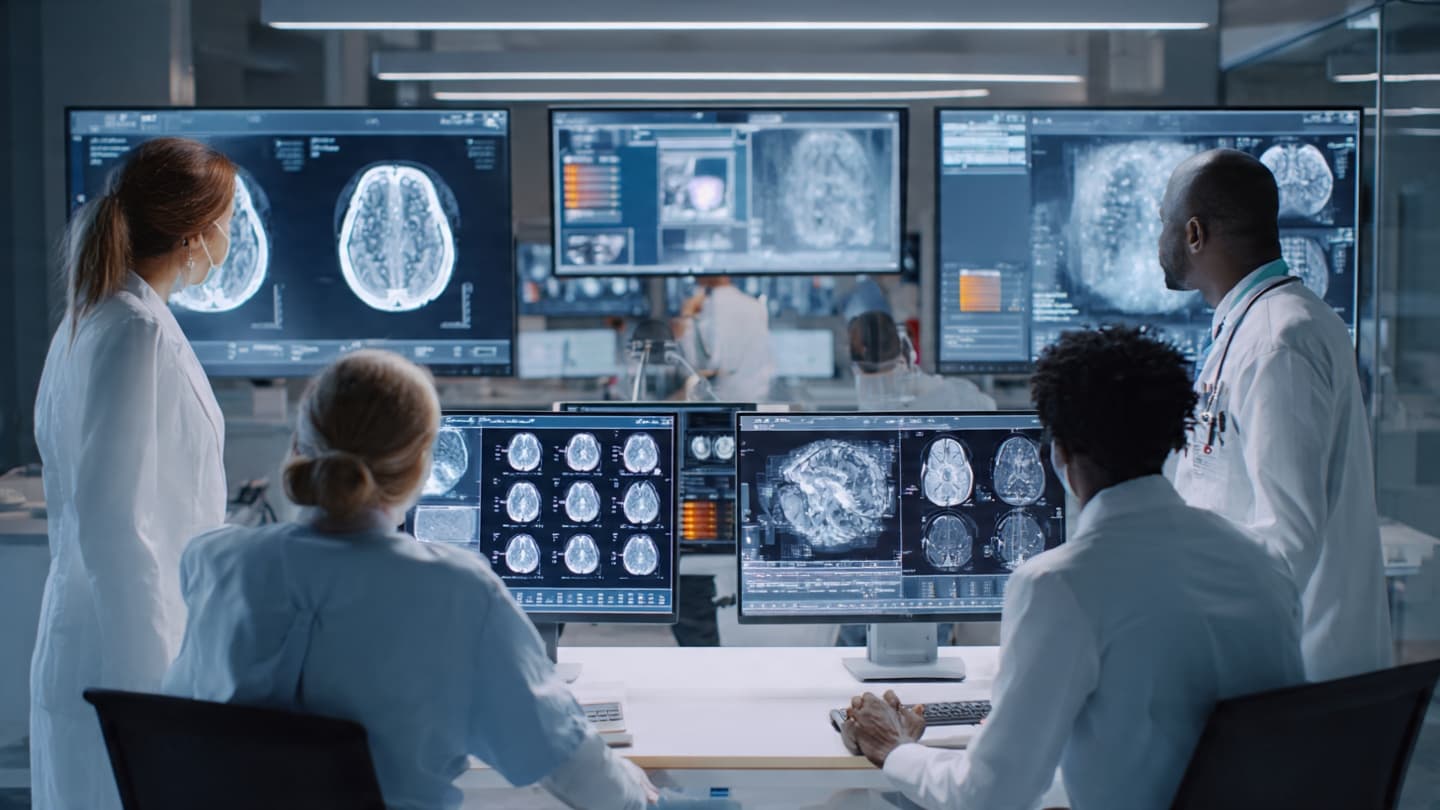
Medicine has long advanced through careful observation, patient research, and the steady refinement of knowledge. Today, artificial intelligence is becoming another instrument that supports physicians in interpreting complex medical information. Rather than replacing clinical expertise, AI increasingly serves as an analytical partner capable of recognizing patterns that might otherwise remain difficult to detect. American researchers have now reported a significant breakthrough in AI-assisted medical diagnostics, highlighting the growing role of advanced computing in healthcare.
The research introduces a new AI model capable of analyzing medical images, laboratory results, and patient data with improved speed and accuracy. According to the research team, the system demonstrated strong performance during validation studies involving multiple medical conditions, assisting clinicians in identifying abnormalities that require further examination.
Researchers emphasized that the technology is intended to complement, not replace, physicians. Medical professionals remain responsible for interpreting results, confirming diagnoses, and determining appropriate treatment plans. AI functions as a decision-support tool designed to improve efficiency while reducing the possibility of overlooked findings.
One of the strengths of artificial intelligence lies in its ability to process enormous quantities of medical data within seconds. Radiology scans, pathology slides, and electronic health records contain complex patterns that advanced algorithms can evaluate consistently, helping clinicians prioritize cases requiring immediate attention.
Healthcare experts believe AI-assisted diagnostics may contribute to earlier detection of diseases such as cancer, cardiovascular disorders, neurological conditions, and rare genetic illnesses. Earlier diagnosis often allows patients to receive treatment sooner, potentially improving long-term health outcomes.
The researchers also acknowledged important challenges that accompany AI development. Clinical validation across diverse populations, protection of patient privacy, transparency in algorithm design, and regulatory approval remain essential before widespread implementation can occur.
Hospitals and research institutions continue collaborating with technology companies to refine AI systems through carefully supervised clinical studies. Regulatory agencies will review both safety and effectiveness before new diagnostic tools become broadly available in everyday healthcare settings.
Although additional research remains necessary, the reported breakthrough represents another step toward integrating artificial intelligence into modern medicine. As technology and clinical expertise continue working together, healthcare professionals may gain increasingly powerful tools to support accurate diagnoses while maintaining the central role of human judgment in patient care.
AI Image Disclaimer: The illustrations accompanying this article are AI-generated visual representations created for editorial purposes and do not depict actual patients or clinical research participants.
Source Verification: Reuters, Nature, ScienceDaily, MIT News, National Institutes of Health (NIH), STAT News
Note: This article was published on BanxChange.com and is powered by the BXE Token on the XRP Ledger. For the latest articles and news, please visit BanxChange.com