
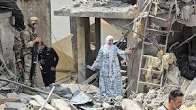
On May 27, 2026, Israel announced a forced evacuation of residents from Tyre, a city in southern Lebanon, amid escalating tensions with Hezbollah. The Israeli Defense Forces (IDF) issued warnings indicating that all civilians should vacate the area due to impending military operations aimed at curtailing Hezbollah's military capabilities.
This evacuation order is part of broader military operations that have intensified following increased hostilities between Israel and Hezbollah, particularly after the latter launched retaliatory strikes into Israel. The IDF’s spokesperson emphasized that remaining in proximity to Hezbollah operational zones poses an unacceptable risk to civilian safety.
Residents of Tyre have been given explicit instructions to leave their homes and seek safety at least 1,000 meters away from designated military sites. This evacuation is unprecedented in its scope and reflects the severity of the ongoing conflict, which has already resulted in widespread displacement across southern Lebanon.
Reports suggest that the situation has led to chaos and confusion as families scramble to leave, with many finding it difficult to access timely information regarding the evacuation. The IDF has utilized social media platforms to disseminate evacuation announcements, but many locals have struggled to receive these alerts promptly, leading to further uncertainty.
As tensions mount, the humanitarian situation in Lebanon is becoming increasingly dire, with large segments of the population finding themselves uprooted. Activists and human rights organizations have raised concerns regarding the potential implications of forced evacuations, emphasizing the need for compliance with international humanitarian law.
Israeli Prime Minister Benjamin Netanyahu has vowed to take decisive action against Hezbollah, which he accuses of threatening Israeli citizens. "We will not permit Hezbollah to pose a danger to our people. The time for action is now," he asserted in a statement outlining the rationale behind the evacuation and military intervention.
The ongoing conflict has drawn international attention, with calls for ceasefire negotiations and humanitarian assistance to affected populations increasingly urgent. As evacuations proceed and military operations intensify, the focus remains on safeguarding civilian lives while addressing the broader regional stability challenges posed by the ongoing hostilities.
Note: This article was published on BanxChange.com and is powered by the BXE Token on the XRP Ledger. For the latest articles and news, please visit BanxChange.com